News & Blog
What will the EV landscape look like in the coming decade?
Electric vehicles (EVs) are gaining traction at an impressive rate. A recent study from the National Renewable Energy Laboratory (NREL) indicates that the cost of electric vehicles is declining more rapidly than that of gasoline-powered cars, with projections suggesting that by 2030, electric cars will be more affordable than their gasoline counterparts. This trend is promising for both the environment and the economy.
The growth of electric vehicles
As we move into the next decade, EVs are set to advance significantly, driven by improvements in battery technology, decreasing prices, and a broader range of models entering the market.
In the years ahead, electric vehicles will become increasingly accessible, practical, and prevalent. This progress will be fueled by ongoing advancements in battery efficiency and affordability, along with a growing selection of vehicle options.
1. Charging Infrastructure
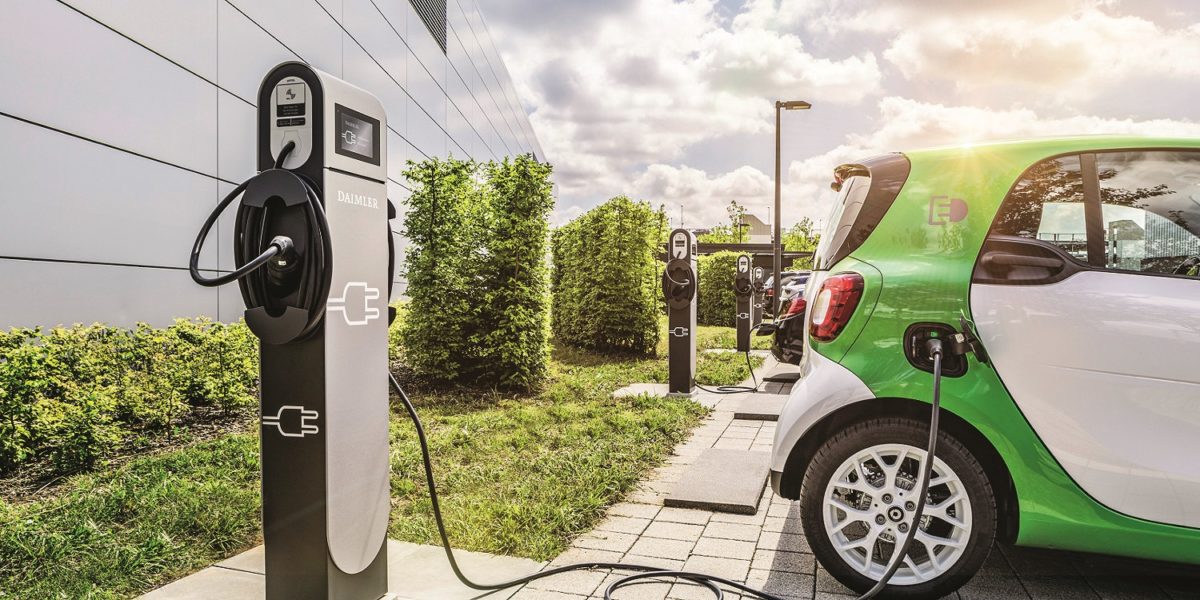
A significant hurdle for electric vehicles (EVs) in the coming decade is the insufficient charging infrastructure. Presently, the United States has approximately 16,000 public charging stations, a number that is growing at a sluggish pace. In contrast, there are about 175,000 gas stations across the country.
This deficiency in charging facilities poses a substantial obstacle to EV adoption. Many potential users are reluctant to transition to electric vehicles without a dependable means to recharge them. Therefore, it is crucial for both automakers and government entities to prioritize investments in charging infrastructure over the next ten years.
2. Battery Technology
Battery technology represents another critical challenge for EVs in the next decade. Currently, most electric vehicle batteries are costly and offer limited range, rendering them impractical for many consumers. To facilitate the mainstream acceptance of EVs, significant advancements in battery technology are essential. This entails the development of more affordable, efficient batteries capable of covering greater distances on a single charge.